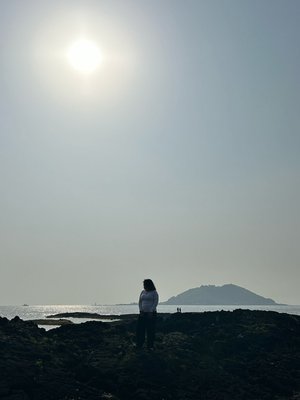
🏗️ Awakened Architect Part 5: The Quantum Leap
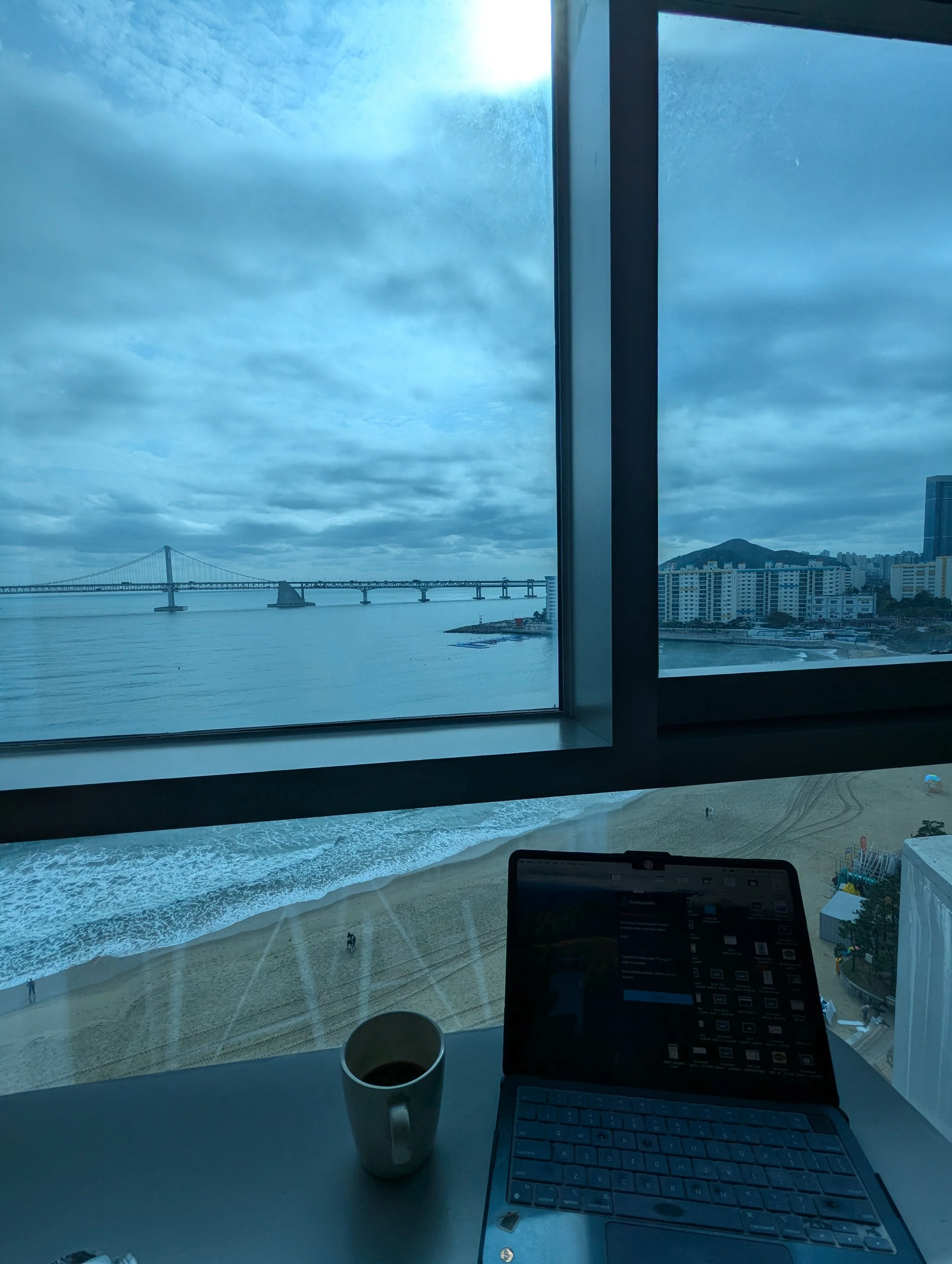
Why South Korea Is the Blueprint
In Part 4, we looked outward at the economies building the next twenty years. Today I'm getting personal. This post is about the specific move I'm making, why I'm making it, and the two decades of experience that brought me to this decision.
I didn't arrive at this point quickly.
My first dark night of the soul was in 2005. By 2012, when my mother passed, I had been wanting to leave the United States for years. I just hadn't built the infrastructure to do it yet.
Then 2020 happened.
They declared a pandemic in March after I had already watched the virus spread for months — and caught it myself the prior November. At the same time, markets collapsed. And something shifted in me that I can only describe as a final refusal. I looked at what was happening and said: they are not doing this to my family again.
I'd lived through 2008. I'd watched the machinery of financial crisis grind through people's lives while the architects of that crisis faced no consequences. I'd built a business through it anyway, protected my clients' numbers while their industries contracted, and come out the other side with a reputation and a practice I'd constructed entirely on my own terms. I wasn't going to let the next manufactured crisis find me unprepared and geographically trapped.
So I started learning the game of money at a different level. And I started looking at the map differently — not as a tourist, not as someone on vacation from their real life, but as someone shopping for where their life actually belonged.
Where This Started
I grew up poor. My mother was fifteen when she gave birth to me. My father was seventeen. They were children having children, which brings its own particular kind of sadness — but it also brought something I didn't fully understand until I was much older.
When your parents are young when they have you, their dreams haven't been fully extinguished yet. Their yearnings, their aspirations, their sense that life could be something other than what they were handed — all of that transfers to you before the world has the chance to take it from them. Before their souls are crushed. You receive their light at its most intact.
My parents tried not to follow the programming of their own parents — the island-born, colonized, obedient generation that did what it was told and stayed where it was put. They tried to be different. They didn't always succeed. Life took its toll on them the way it takes its toll on people who don't have the resources to protect themselves from it. I watched it happen. I watched life take their light from them, one ray at a time.
And I decided very early that I was not going to let that happen to me.
That decision became my torch. My refusal to do as I was told, to stay where I was placed, to accept the version of a life that the system had designed for someone with my background and my zip code — that refusal has driven every significant choice I've made since.
I am 48 years old. I have been building toward this specific kind of freedom my entire adult life. I am not in a hurry to settle. I have been settled down plenty. It is time to roam, explore, and reawaken a hunger for life that institutional living — jobs, leases, school calendars, other people's schedules — had been slowly quieting for years.
Why South Korea
I have visited South Korea three times. Each time I leave, I understand more clearly why I keep going back.
Busan specifically operates at a level of functionality that is difficult to explain to someone who hasn't experienced it. The safety is not just the absence of danger — it is an active, designed quality of daily life. The infrastructure works. The transit works. The city is clean not because someone is constantly cleaning it but because the systems are designed to support that outcome. As a woman traveling with an adult child and a three-legged dog, the baseline I require for a place to feel workable is high. Busan clears it without effort.
I loved it enough to bring my daughter there for her birthday during my last visit. In her own words, she fell in love with South Korea in South Korea. My son has been with me on two visits and has been dreaming of returning. He is currently applying to an art university there — a decision I suggested for over a year but never forced. He was in his senior year of homeschool while we traveled Europe and Asia. That was his timeline, not mine. He chose it himself at eighteen, which is the only way it matters.
We just arrived in Turkiye. We will be here for the next one to three months, preparing for the move to Busan — including the logistics of exporting our dog from Turkiye and importing him into South Korea, which is its own administrative undertaking.
What the East Offers That the West Has Forgotten
This is not a romantic argument. It is a practical one.
South Korea is not perfect. No place is, and Part 5 of any honest series about living internationally has to hold that. There are cultural adjustments that take real work. There are bureaucratic hurdles — I have applied for the F-1-D Digital Nomad visa twice and failed both times, once because my LLC income structure wasn't understood by the verification system, once because a required document had expired. I am going back for a third attempt with better documentation and, if necessary, an immigration attorney on the ground.
But the baseline quality of daily life — safety, efficiency, infrastructure, the sense that the city is designed for people to actually live in it rather than just pass through — is worth the work of navigating the bureaucracy.
The East is not a trend. For those of us who have been watching the data, who have been living in and through the cracks of Western systems for decades, it is a logical conclusion. The places that are building the future are not the places resting on the story of their past. South Korea built its present deliberately and continues to build its future with the same intention.
That is the blueprint I am auditing. That is what Part 6 will bring home.
What's Next
In the final post of this series, I'm going to pull all six parts together into the framework I call The Great Unlearning — what it actually takes to deprogram the version of the world you were handed and start designing the one you actually want to live in.
STAY IN THE LOOP:
🟢 Current Post:Awakened Architect Part 5: The Quantum Leap East
🔵 Next Up:Awakened Architect Part 6: The Great Unlearning
For the Mindset & Finances:Gather knowledge with our digital products in the store or expand with a course..
For the Money: Build a business that can operate on the Frontier-Sophisticated Business Strategies or get support to architect your world.
📩 Stay Notified
The "algorithm" is part of the old Piscean control system. To make sure you don't miss a "download," sign up below to get these posts delivered directly to your inbox.